Showing posts with label moths. Show all posts

Friday, May 26, 2023

Citizen science -- for the good of nature


Holly blue (Celastrina argiolus) -- Butterfly Conservation undertake the Big Butterfly Count every summer, between July and August. (Photo from personal collection)


It has been a while since I last produced a post for this blog -- just over five months, to be exact -- because I have been focusing my efforts in other directions. Exploring other options for my passionate pursuits in nature and writing. But I thought that I would come back to this space to compile a brief list of just some citizen science projects that UK residents can be a part of throughout the year.

Citizen science projects are valuable for collecting data about habitats and populations around the country, and allows the relevant organisations to adapt their plans and actions, as they strive to protect and conserve various components of the natural world, with the evolving ecological landscape.

So, without further ado, and in no particular order, here is that compilation of those citizen science projects for naturalists all over the UK to get involved with.


The Big Butterfly Count

Butterfly Conservation, whose mission is to save butterflies, moths, and our environment, runs The Big Butterfly Count every year. In 2023, the count begins Friday 14th July and runs until Sunday 6th August. 

To take part, all you need do is find a sunny place to spot butterflies and moths, watch for fifteen minutes, and record what you see. Then add your count through the website. 

You can check the numbers spotted by others around the country on the website's interactive map.

There is more than a month yet until the count gets started, but you can check out the website here, where you can download their helpful ID chart to familiarise yourself with common species of butterfly and moth.

Butterfly Conservation is worth taking a look at for identifying other butterflies and moths, tips on helping butterflies and moths, and other monitoring projects.


The Big Hedgehog Map

British wildlife is in trouble. According to the first Red List of UK mammals, 2020, a quarter of native mammals are at risk of extinction in the United Kingdom.

The hedgehog, with declines estimated between 30% -- 75% in the last couple of decades. Once familiar, the spiky mammal is facing a number of threats, which makes protecting the species difficult.

With an increasing trend towards fencing which fragments their roaming territory, pesticides and poisons which introduce fatal toxins into their diet, and road casualties, amongst other issues, the British hedgehog is facing a myriad of external threats. 

Collecting and collating data, plotting out where hedgehogs are, where they are doing well, and where they are not, allows for better a understanding of hedgehogs, the adversities to which they have been able to adapt better, and in which areas they need help.

Part of Hedgehog Street, a national campaign to save hedgehogs by the People's Trust for Endangered Species (PTES) and British Hedgehog Preservation Society, you can find the map here for further information and taking part yourself.


Water vole survey

Another fast declining mammal -- the fastest declining -- in the UK is the water vole, and the PTES has been running a survey, with the help of citizen scientists throughout the UK, to collect data on this rodent (Arvicola amphibius).

Under threat from habitat loss and predation from the invasive American mink, water voles are in serious trouble.

As with many other projects, the focus here is to collect data that will inform the planning and actions taken to protect the species.

You can find more information on the project and related topics here.


Woodland Trust Ancient Tree Inventory

The Ancient Tree Inventory is an ongoing project run by the Woodland Trust to map where in the United Kingdom ancient, veteran, and notable trees are located. The purpose of this project is to collect together where these trees live in the country, to gather information about them, so that they might be better protected for today and for tomorrow.

The Woodland Trust seeks better information about these trees, and better protections for them. They ask that these trees enjoy protections comparable to those given to old buildings and works of art. 

You can see the interactive map and record notable, ancient, and veteran trees here.


The Big River Watch

Conservationists and naturalists love a big watch!

The Rivers Trust is running its own big watch in September 2023. Their hope is to gather data which will build up a picture of river health across the country.

As well as benefitting our natural world, many of these projects also give the perfect reason (if you need one) to interact with the more wild parts of our country. For this one, again participants are asked to pick a location, this time beside a river, and record observations. 

There is plenty of time to prepare for this project, but you can take a look at the survey here.


Please note, this is far from an exhaustive list!

Check out what other conservation charities and non-profit organisations are doing, and how you can help, through their websites. And, if you think there is citizen science project worth taking part in, please do make a mention of it in the comments -- spread the word!


Disclaimer: the writer of this blog currently makes a monthly donation to The Woodland Trust and has supported campaigns by other charities and non-profits by signing and sharing petitions, making donations, taking part in citizen science projects, and a handful of other similar efforts. However, he is in no other way affiliated with these organisations.

Wednesday, April 27, 2022

The Study of an Urban Garden


The beginnings of this year's strawberries. (Photo from personal collection)


Through the French doors, and outside into the garden, on a bright and temperate Spring day. In pools of sunlight, warmth washes the skin. From the ivy choked borders of the garden comes the chitter and chatter of House sparrows (Passer domesticus). Beyond the borders of the garden, the other side of the ivy, the sound of rattling rails, a train shooting past. If one were to peek through the foliage of the garden's borders, they would see the train station's car park. Sometimes, the chattering, laughing, or calls of travelers intrude upon the desired quiet of the garden. Sometimes the thrum and pounding of music from some car. But the birds, mostly, continue their own chattering and chirping, through and underneath the less melodic noise of humanity.

Just outside the doors, I stand on hard concrete slabs of grey, a small patio. Bending down, I place a small plastic container - saved from some takeaway meal - on one grey slab. Inside, some defrosted garden peas - shiny little green orbs. Then I take myself to the tap protruding from the red brick wall, and hold a Jacob's cream cracker underneath running water, turning it between fingers and thumb. Water washes and splashes over my fingers, cool and clean and refreshing.

I crumble the cracker in my hand, near where I left the container of peas, forming a little pile of crumbs. Not a particularly nutritious food, but they are sitting in the kitchen, uneaten, and they will be taken up pretty quickly by ground feeders like Wood pigeons, Robins, and Blackbirds. They only get one or two crackers now and then, always washed under cold water, so that there is some moisture to the dry square snack. 


A container of oxeye daisies and common poppies, getting a bath; this allows them the opportunity to draw water up from the bottom of their roots. (Photo from personal collection)


Looking over the bird feeding station, I make a mental note of what has been eaten and what hasn't. Considering what I see, I think that, perhaps, I could stand to hang less peanuts on the feeding station than I did the last time - the birds seem much more interested in the coconut suet feeder and the suet balls hanging there. However, I remember, when I placed some peanuts on the ground the day before, they disappeared quite quickly, so maybe they are a treat for the Pigeons and other ground feeders.

On the grass, near the shelter of the ivy, and the small trees that the shrub has almost covered, I have a makeshift birdbath, which I have written about here. Gazing into the water, I see a little plant material, some dirt and detritus too. I know that this bath has been successful in attracting visitors. A female Blackbird (Turdus merula), in particular, I often see bathing in the water, shaking herself, splashing the water about. But I have also seen Woodpigeon, Robins, Dunnocks, House sparrows, and others, drinking and bathing.

Everyday I rinse the bath out, once or twice. Filling a watering can, I pour water into the bath, letting it overflow and wash out over the grass around it, just to keep the water clean, clear, and fresh. Hopefully, also, to lessen the likelihood of it becoming a hotspot for the spread of any disease or infection. Now and then, once a week or so, the bath is emptied of its contents and washed with soap and hot water. It's very important to keep these things clean, the places where the birds feed and drink.


Across the garden, on a branch just sticking out of the ivy, hangs a feeder. It's shaped like a cactus, though it is hollow, allowing for the entrance of birds, and for putting food inside that might attract them. The last time I filled it, I had put a sachet of oats in there, a sachet that I had taken from one of the kitchen cupboards. I eat oats infrequently myself, but the birds seem to like them. 

The cactus feeder is empty. I think on when I last gave the feeders a proper cleaning, and consider that it is almost time to undertake the chore again.


My cactus feeder, here containing suet pellets, not oats. (Photo from personal collection)


Looking back across the patchy lawn, short here and a little overgrown there - just perfect, in my opinion, I see a Dunnock (Prunella modularis) hopping around beneath the feeding station, picking at tiny fallen bits of something or other. I watch a moment or so, and a Woodpigeon (Columba palumbus) lands, near the broken cracker and the peas but, apparently spotting me, it flaps away again with fuss and flutter. A Blue tit (Cyanistes caeruleus), however, is not deterred by my presence, and lands on the coconut feeder. A few quick taps at the suet filling, and it's off again.


I check over my plants next, containers and pots of wildflowers, strawberry plants, and chili plants. Some Evening primrose (Oenothera biennis), for the benefit of night-flying moths, too. A little while ago, a pot of mixed wildflowers and a container housing Common poppies (Papaver rhoeas) and Oxeye daisies (Leucanthemum vulgare) were looking a little limp and wilted. To bring them back to life, I gave them both a nice cool bath (see picture above, previous to that depicting the cactus feeder). This gave the plants the opportunity to draw water, via the drainage holes in the bottom of the containers, right from the tips of their roots, and they really did perk up. After an hour or so in the bath, and some time afterward set in a cool spot to recover, they regained their verdant and vigorous appearance. I anticipate beautiful blooms in the coming weeks and months. I hope for them, and the visitors that they ought to entice.


Back indoors, I stop before heading back to my everyday demands, watching from a window. Without my presence, the birds emerge from the foliage, or descend from branches and sky. They figure out amongst themselves who gets what, and who gets what first. Through glass and wall, I still hear the chirping and chattering as they quarrel and call to each other. And, though I know they do not really care for my presence, and I think that is for the best, I feel a connection with them anyway as I watch them make use of this little space I have created. And I am proud of that space, and honoured by their being there. I think to myself, that's all they need really - the space, for us to step back, and just let them be, then they might be just fine. These tiny feathered things, delicate and yet so strong.


Finally, I have to turn away from the garden, and resign myself to all the business of being human . . .


Before you go, would you please consider supporting this blog with a coffee from ko-fi.com - the support keeps me planting, feeding the birds, and watering the flowers.

I resist ad space here, wanting to generate conversation rather than sales and clicks, and so, with my writerly ambitions, I ask readers to donate if they are able to so. In this way, without commercial links, I can write freely, without the influence of corporate or commercial parties.

So, if you can, please make a small donation over on ko-fi.com, where you will also find links to other of my writing. 

Thank you for reading, and I hope you will come back soon!

Monday, February 28, 2022

Can you relate to this routine - pottering about in the garden?


An empty shell. Unfortunately for the snails, blackbirds visit the garden. (Photo from personal collection)

From day to day, my experiences with nature and wildlife most often occur in the garden. It starts in the morning, as I wait for my coffee to brew, when I look out on the birdfeeders. The birds, most often House sparrows (Passer domesticus), fly from the shrubbery to the feeders, and back again. Now and then, a few sparrows quibble and quarrel, fighting for a spot. Their calls are a variety of chirps and chatters. My mornings are a wonderful mix of rich coffee aroma and sparrow calls.

Amongst the earthy tones of the sparrows, blue and yellow can sometimes be seen, flitting in for some seed or suet. Both the Blue tits (Cyanistes caeruleus) and the Great tits (Parus major) are more likely to fly in and away quickly, taking what they want and then off into branches and cover. However, they can be coaxed into staying a little longer when a suet filled coconut half hangs from the feeding station.

Blackbirds (Turdus merula) visit too, feeding on the ground below the feeders. They also pluck the berries from the ivy and make a meal out of the garden's snails. There are a number of empty shells out there.

The other day, for the fist time in the garden, I saw a pair of Long-tailed tits (Aegithalos caudatus) on the feeders, which was a thrill. I was thrilled further when I saw a single Long-tailed tit visit again today. This little fluff ball, with its long, narrow tail, was an awesome sight to my eyes; there is great joy and pleasure, and fulfillment, in seeing new visitors. In a world where, as we know, many of our birds are facing greater adversities, I take pride in having a space just outside where these wonderful winged things can come for food, water, and shelter.

Pots of plants. (Photo from personal collection)


A couple of nights ago, I spotted a caterpillar in one of my plant pots, a pot of mixed wildflowers. There are no flowers just yet, but there are some nice green leaves to be chewed upon. And this little green caterpillar (I think a caterpillar of the Angle shades moth, or Phlogophora meticulosa) seemed to have made itself at home, since I saw this single caterpillar again, a night later, in the same pot. I didn't resent the little life for making food of my flowers. I planted them with bees, butterflies, and moths in mind.

As we head towards the warmer and sunnier seasons, I look forward to seeing flowers on the oxeye daisies, the poppies, and the other wildflowers. The oxeye daisies (Leucanthemum vulgare) took a bit of a battering during the recent storms, striving as they do to grow tall, the winds bent and broke some of them down. But, the green life in our gardens is strong and resilient and if it can find a way, it often does. I can not wait for spring and the sight of bees and butterflies on the flowers.


My makeshift bird bath, which I have written about before (here), has been attracting the House sparrows. Perhaps others of the birds have also made use of it, but I've only seen the sparrows in there so far. I can tell you this, when I watched the sparrows drinking from the planter dish, this cheap and unassuming thing, this thing that only cost me a few quid and a little effort, I felt that I had done some good. I felt that I had put more good into this little corner of the world than I ever did from behind a till, a counter, or a desk.


For the peace, joy, and awe that these visitors bring, I make sure the feeders and the bath are clean. I pour in the seed, hang the feeders, rinse out the bath, and then I retreat, giving the birds the space they need. And I watch for a while.

Recently, making use of strong black tape and my mobile phone, I have started live streaming from the birdfeeders on my social media platforms. I can't say that it is gathering an awful lot of viewers, but I have enjoyed seeing the visitors a little more closely. If you would like to see any future livestreams, I will put links to my social media below; make sure your notification settings are set up so that you are notified when I go live. 


Social media links

Facebook - https://www.facebook.com/philip.simons.12/

Instagram - https://www.instagram.com/philip.simons.lip/

Twitter - https://twitter.com/PhilipSimons18


Thank you for reading. Just before you go, can I ask that you please consider supporting this blog with a coffee from ko-fi.com - the caffeine keeps me pottering around in the garden!

I resist ad space in this blog, believing that there are greater things than sales that can be generated through writing. However, with writerly ambitions, I must seek some means to support my writing and blogging, and I throw myself on the kindness of readers.

Thank you again for reading and, if you are able to do so, please do take a look at ko-fi.com, and I hope you come back again soon.

Monday, February 21, 2022

Hey to any new readers! Here's 10 ways you can help nature . . .


Pond at Hill Rise Nature Reserve, Bedford, Bedfordshire. (Photo from personal collection)

Out of a love for nature and wildlife, there comes a concern, for we all know that it is not doing well. So, in today's post, I offer a list of things that we can do, to give back to the nature and wildlife that give us so much.


1. Put up your bird boxes. But, just before you do, be sure of where they are best situated. You can find a useful guide on the RSPB website; make sure that you have the right nest box for the right species, and that you buy a box suitable for the space you have.


2. Bat boxes. It isn't just the birds that will appreciate boxes. You can make your own - the Wildlife Trusts website has this handy guide - or you can purchase one. Bear in mind, when purchasing nest boxes, to make sure the wood is responsibly sourced. Look out for the FSC label.


3. Create a pond. A pond doesn't have to be a large thing, dug out in the garden. A pond can be made from an old washing up bowl. I intend to make one using a storage box, some sand, pebbles and stones, plant pots, and some oxygenating plants this year. Get creative!


4. Bird feeders and bird baths. There are a great many different kinds of bird feeder out there, for different species of bird, and for the different spaces in which they might be placed. From window feeders to standing feeding stations. And bird baths do not have be big expensive things, they can be easily made with inexpensive items.


My inexpensive, makeshift bird bath, made from a planter dish, bricks, and stones. Just add water. (Photo from personal collection)


5. Support a conservation charity. If you can, give a monthly donation. Or, if you are able to do so, lend your time and volunteer on a nature reserve. Perhaps, if you are on the lookout for nest boxes, binoculars, books, gifts, etc., a favourite charity is selling what you are looking for in their online shop. And, don't forget all the citizen science projects run by these organisations throughout the year. There are a great number of ways to support their hard work!


6. Rewild your garden. In the UK, when you take together all of our gardens, they account for more land area than all the nature reserves we have combined. They can be a vital oasis or connection for the wildlife with which we share our spaces. So, leave the lawn a while or, better yet, turn it into a mini meadow. Perfectly manicured lawns are really just a dead monoculture; why not a sea of waving flower heads and life instead?


7. Practice a little self sufficiency. No need to start living in the woods and making compost out of your own waste just yet. But, maybe we can start growing some of our own food. Just a little. Some fruit plants can easily be grown in pots. We know that the less distance our food has to travel the better it is for the planet. So, if it's just outside our doors . . . Remember to buy peat-free compost.


8. Spaces for the little lives. Just as we put up boxes for the bats and birds, we can provide spaces for insects, arachnids, and mollusca. A log pile is a great space for little lives, with all the dark spaces that they can crawl into for shelter and protection. Then there are bee hotels and bug hotels! You can find the RSPB guide to building a bug hotel here, and their guide to building a bee hotel here.


9. Don't forget the night flyers. As we plan our garden for wildlife, considering the pollinators and the birds, it can be easy to forget the night-flying moths and other nocturnal little lives. I mean, they come out when we're tucked up in bed. But, there are things you can do to support the night time lives too. I wrote more about this last year, and you can read about it here.


I believe this is a Feathered Thorn (Colotois pennaria), which has landed on my leg here. (Photo from personal collection)


10. Share your passion through your skills. As I have joined a number of different nature and wildlife focused groups across social media, I have noticed that people explore their passion in different ways. There are photographers, painters, poets, writers . . . There are a number of ways in which we can make our memories something tangible or physical, something that others can carry with them too. And, hopefully, if we can pass that passion on, it might inspire someone else to get involved.


Thank you for reading. Just before you go, can I ask you to please consider supporting this blog with a coffee from ko-fi.com - the caffeine keeps me doing my part!

I resist ad space here, wishing to generate conversation more than sales, but, with my writerly ambitions, I must seek support from readers. With the research, writing, proofreading, editing . . . that goes into each post, just a small donation can really help.

If you can, please do buy this blogger a coffee over on ko-fi.com, and I will see you again soon. I thank you for reading, it is much appreciated.


Friday, February 18, 2022

5 things to look forward to in spring! (UK)


The lush green of spring time. (Photo from personal collection)

It may be hard to believe today, but in a matter of weeks - yes, weeks! - spring will be upon us. And so, as we huddle indoors, escaping winter winds and biting cold, can we start to look forward to some of the joys of spring?

Let's take a look at five sights, sounds and, yes, maybe even smells that we can look forward to this coming spring . . .


1. Cuckoo call

The call of the cuckoo (it's two note sing-song call being a "cuck-oo") is synonymous with the season of spring. Apart from their call, they are probably best known for their sinister breeding strategy of parasitising the nests of smaller birds.

The cuckoo (Cuculus canorus) has declined in recent years, unfortunately. 

It's patterning isn't all that dissimilar from that of a sparrowhawk, with its grey colouring and barred underparts. 

I can't think of a time when I have gotten a good view of this bird, but I have heard it call from the trees on some path, when I've been out walking. It's a sound that makes me stop a while. Like, perhaps, Wordsworth did . . .

The same whom in my schoolboy days
I listened to; that Cry
Which made me look a thousand ways
In bush, and tree, and sky.

- from To the Cuckoo, by William Wordsworth, published 1807


2. House martin nests

Some of these black and white relatives of the swallow used to nest under the eaves of my childhood home. Now and then, a little black head, black eyes shining, would emerge from the mud nest, awaiting a visit from a parent bringing food.

My parents still live in that house and these birds don't nest their any more. However, I saw nests, on other houses, last year, when I was out traipsing and wandering, and it made me smile.

It is a great joy to share space with wildlife, to have those connections with it, and most of these little birds begin their lives in our towns and villages. Right outside our homes!

Cherish it.


3. The return of my strawberries


Strawberry plant and runner, last year. (Photo from personal collection)

Throughout winter, my strawberry plants have rested, dormant. Protected from the darker and colder months of the year by layers of straw, they await the return of the sun's light and warmth.

My interest in gardening is relatively recent, and driven by my love for wildlife and nature. 

However, in itself, I discovered a great sense of joy and satisfaction in watching the plants grow. To see the flowers bloom, and then become fruit, is wonderful. Not just with strawberries, but with all plants, there is something profound in nurturing plant life. It is a slight connection to something upon which civilisations have been built.

The pride of tasting a fruit, not bought but grown, its sweetness bursting on your tongue, is one of the most direct links to the earth that one can have.


4. Butterflies and moths


Small white; Pieris rapae (Photo from personal collection)

Like the cuckoo call, butterflies on flowers are synonymous with spring and summer. However, we ought not to forget the moths, which can be just as beautiful, and which are equally important ecologically.

Similar to the RSPB's Big Garden Birdwatch, Butterfly Conservation, a nonprofit environmentalist organisation dedicated to the conservation of butterflies, moths, and their environment, runs a citizen science project every year; the Big Butterfly Count.

Their website also has suggestions for how you can help throughout the year, from monitoring and recording programmes to monetary donations. We all know that our pollinators are in trouble, so do consider visiting the site.


5. The rain should be warmer . . .


Raindrops keep falling . . . (Photo from personal collection)

This is Britain, even when summer rolls around, we only really get about a week's worth of really hot weather, then it rains off and on for six weeks, then we start complaining about how people are already talking about Christmas. 

"I swear, it comes around earlier and earlier every year!"

Still, the rain in spring ought to be warmer and, if it does come as a break from warmer and sunnier days, it can be a refreshing treat. It also promises the reward of flowers and lush green, unlike the winter which can be rolling grey, and overbearing in its cold monotone.

The scent of rain on the air, slightly metallic, as it mixes with the aromas coaxed forth from the plants by warm weather, stirs nostalgia in heart and mind.


Thank you for reading. Just before you go, can I ask that you consider supporting this blog with a coffee from ko-fi.com - the caffeine keeps me daydreaming about sunnier days!

I resist allowing ad space here, preferring to generate conversation rather than sales, but, with writerly ambitions and goals, it would be unrealistic to seek no remuneration for the research, writing, proofreading, editing . . . that goes into every post.

So, I ask, if you can, do consider supporting the blog. A coffee from ko-fi.com is a real boost!

Thank you to all readers and supporters!


Tuesday, September 14, 2021

What's the difference between a clueless gardener and a learned horticulturalist?


The strawberry plant I have been nurturing


If you had asked me the above question a year ago, I'd have told you that I am very much in the "clueless gardener" camp. I wouldn't have even described myself as a gardener - I had one potted plant in my bedroom that lasted days before I admitted defeat! My interest and fascination was always captured much more by animal rather than plant life. Even now, as I write this piece, I have to admit that I am much closer to the category of clueless gardener than learned horticulturalist . . .

I am learning as I go, I am fairly certain I am making mistakes, and I have no idea whether or not my efforts will yield the hoped for results.

But I am still going and, a few months since being planted, so is my little garden!


Wildflowers

My interest in the natural world means that I am quite aware of the importance of wildflowers and the sad statistics around how much wildflower space we have lost in the United Kingdom. It is for that reason that I developed an interest in growing a selection where I could. 

I have sown wildflowers before, at a property where I lived a few years ago. There, I sowed the seeds in a prepared bed and, apart from occasionally watering them, left the seeds to do their own thing. And they grew successfully!

This time, I had a packet of various wildflower seeds but, because of my living situation, I didn't have a bed in which to plant them, so I decided to try and raise them in a pot.

I didn't consider such things as filling the bottom of my container with a drainage layer (pebbles, or crocks, for example), and simply filled the thing with all-purpose compost. The pot has a hole though, so it's fine, right? The all-purpose compost is great for novice gardeners like me because it means I don't have to think too much about which compost to use for which area of the garden - I can use it for them all! 

And that's why it's called ALL-purpose compost (and this is probably the point at which more seasoned gardeners than I raise an eyebrow, if not both, and wonder how bad the rest of this piece is going to get).

Still, the plants that are now growing in the pot are all green and vibrant. I haven't seen any bloom but I did sow the seeds quite late and, from the reading I have done, I understand that I may now not see any flowers until next year.

But, if there are any learned gardeners reading this piece, what do you think? Do you have any tips? I am very much learning as I go in my gardening endeavours and would appreciate the input!


Strawberry plants

My interest was next drawn to the idea of cultivating a strawberry plant.

Whereas my interest in growing wildflowers was very much driven by my love for wildlife and doing my bit for pollinators, my desire to grow strawberries came from an idea to grow some of my own food. A tiny tentative step in the direction of self-sustenance.

Unlike the wildflowers, I had no experience in growing my own food to draw upon. But I didn't let that deter me. I did a little research online and, when I had all the information I thought I needed, I set off into town to find a small potted strawberry plant and a larger pot into which I was going to replant the thing.

It was only when I was standing in front of a number of plants outside my local Sainsbury's supermarket that I realised I didn't really know what to look for as I made my selection. Or indeed, whether or not I needed to look out for any warning signs of ill-health at all. As it was, I just picked up the plant that looked greenest and healthiest to my eye.

A few months down the line, and this plant has grown, I have a few fruits that aren't quite ripe yet, and a second plant that I propagated from a runner off the parent plant. I am learning as I go and, as we head towards the colder and darker months ahead, I am beginning to consider how I will need to care for the plants through winter. And that will mean more learning, and hoping that I get it right.

But, like I say, so far, they seem healthy. Some parts of the parent plant I've cut back because they didn't look as healthy as the rest. And it now seems happy, green, and healthy. Immediately after I snipped the second plant from the runner of the parent plant, having potted it in a pot of its very own, it began to look a little wilted and sorry for itself. However, I put a few small pebbles around the base of the plant to keep the leaves from sitting in the dirt, I snipped off a limp runner that had begun to grow from it, and I gave it a little water to drink. Since then it has perked up and looks fine.

Since the parent plant produced fruit, albeit not ripe fruit yet, I have put a net over the plant to deter any birds that might try to eat the fruits once they begin to ripen. And, once a week, I have been feeding the plant with tomato food. I am keeping an eye on these plants with great anticipation and excitement. I watch all my plants grow with interest. But watching the flowers of my strawberry plant turn in to fruit is particularly captivating.


The secondary strawberry plant propagated from the original parent plant


Poppies and oxe-eye daisies

Very late in the summer, only weeks ago really, I bought a medium-sized trough shaped container in which to plant some more wildflowers. Rather than a packet of various seeds this time I opted for two favourites of mine.

After drilling drainage holes in the bottom of the container, filling it up with all-purpose compost, and sowing the seeds in neat-ish rows, I gave the soil a little watering and left them in the sunshine to do what they needed to do.

The next day, I went to walk rescue dogs at a local rescue and when I got home I went to check on my plants, and do you know what I found?

The soil in the trough-shaped container had been quite noticeably disturbed! 

I was quite upset.

I imagine that something or other, doing what was quite natural to it, came along and discovered there were some tasty seeds to be had. I can't feel bad towards anything for that - if I was just trying to survive, I would probably take some tasty seeds too.

However, I did want to see the flowers grow, for the benefit of the pollinators as well as for my own sense of satisfaction. So I gently flattened out the soil and placed the netting I had purchased for the strawberry plants over the top of the container.

Since then, plants have started to appear, though not quite as neatly spaced as I had sown them. But they are there and they look green and happy to me.

I won't see any flowers until next spring, but I think that they should be worth the wait.


Seeds for next year . . .

So far, I have two seed packets intended for sowing next year. The first is a packet of evening primrose seeds. I want to sow these seeds because they are a flower that are well known for being fragrant towards the end of the day and into the evening. This is good for moths and I wouldn't want to forget the night time pollinators!

(Actually, I wrote a piece on gardening for moths here)

The second packet of seed is a mixed packet of chili pepper seeds. My efforts with the strawberry plants have emboldened me in my ideas of growing food for myself and I am going to be branching out into these hot and spicy peppers!


So, what makes a learned horticulturalist? Well, I am hoping that time and experience will move me closer towards that camp than I am at the moment. My efforts are amateur and I am learning all the time. But it brings me closer to nature, and I am discovering a greater joy and appreciation for plant life that had always been very much secondary to that which I had for animals.


Thank you for reading. If you enjoyed this piece, you can buy me a coffee on ko-fi - it keeps me going in the garden as well as at the keyboard! All support is gratefully received and very much appreciated!


Thursday, August 12, 2021

Gardening for night flying moths . . . and . . . other insects too!


Image shows a swallow-tailed moth (source: butterfly-conservation.org)


I've only recently developed an interest in gardening, and that interest is really an interest in gardening for nature. I've no interest in creating a garden that's pleasing to the eye if it's to the detriment of nature and wildlife (as you may be able to tell if you read my last post, here). In this post, I would like to consider those plants and flowers that will be particularly attractive to the night flying moths. You might be forgiven for forgetting about those fluttering Lepidoptera that come out when you go to bed, but they will benefit from considerate gardening as much as the day flying butterflies and moths.

The plants mentioned here will benefit other insects too.


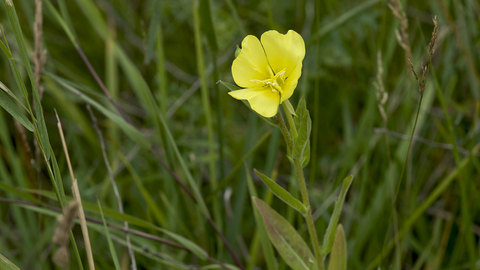
Evening primrose (Oenothera missouriensis)

Image shows evening primrose flower (source: wildlifetrusts.org)

This flower's bright lemon-yellow colour and its evening fragrance ought to be alluring to those emerging when the sun goes down. This hardy perennial will bring colour to your garden year after year. Years during which  moths will have one more reason to visit your garden.


Honeysuckle (Lonicera periclymenum)

Image shows common honeysuckle (source: gardenersworld.com)

On summer evenings, the fragrance from the flowers of this plant will call irresistibly to pollinating moths. But this plant can also provide food for birds, bees, other insects, and even dormice. It is of great value to all forms of wildlife! However, some species of honeysuckle are invasive and can outcompete other plants in the garden so do your research. In fact, that would be a good idea with regards to anything that you are going to plant in your garden.


Common jasmine (Jasmine officinale)

Image shows Common jasmine (source: gardenersworld.com)

As with the previous entries this flower will draw in moths in the evening, providing nectar for night flying moths. If you can plant all three of these plants in your garden - or any diverse selection that will provide moths with food - you might want to set up a moth trap (an old white sheet and a decent torch will do the trick). That way you can find out which species are getting the most from your efforts!


Common stinging nettles (Urtica dioica)

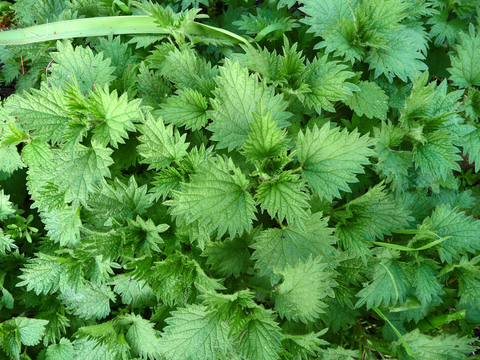
Image shows stinging nettles (source: wildlifetrusts.org)

I know, they're not particularly attractive. And if, like me, you're partial to roaming countryside footpaths you'll probably have caught the irritating sting of this plant on your calves or forearm as you've made your way along an overgrown path. But a patch of nettles is hugely valuable to a number of species of butterflies and moths which will lay their eggs on this plant, which in turn will also provide food for the caterpillars. If you need another reason, you can add nettles to some of your own recipes! It's not just for the caterpillars, you know! (Better to harvest them when the caterpillars and butterflies are done with them though, I'd say).


Holly (Ilex aquifolium)

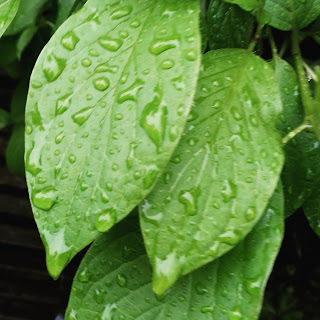
Image shows holly leaves and berries (source: rhs.org.uk)

This evergreen plant, as well as being long associated with Christmas, is another that caterpillars will feed upon. Of course, the berries also provide food for birds, and it will be attractive to many other pollinators. Also, if you let it grow a little wild, not cutting back too much, it will provide cover for moths and other insects that are attempting to evade predators. Moths will use the cover of plant life, as well as leaf litter on the ground, to hide. I mean, don't forget, bats also come out at night and, whilst the bats are just doing what they need to do, it might be nice to give the moths a fighting chance!


Well, this is nowhere near being an exhaustive list but I hope it has given you some ideas. Our gardens can be a joy to us during spring and summer days as we sit in the sunshine and listen to the bees or watch the butterflies. But don't forget that the night has its own life with its own struggles, and we can make space for those that occupy the dark too.


Thank you for reading. If you enjoyed this piece, you can buy me a coffee on ko-fi, where I regularly post updates about this blog and other of my writerly endeavours; all support is received gratefully and is very much appreciated! It keeps me writing, so thank you!


Citizen science -- for the good of nature

  Holly blue (Celastrina argiolus) -- Butterfly Conservation undertake the Big Butterfly Count every summer, between July and August. (Photo...