Monday, February 14, 2022

A February Fox


A stretch of the riverside path, between Bedford and Kempston, Bedfordshire. (Photo from personal collection)


On Saturday, twelfth of February, I decided to take myself off, for an hour or so, to stroll the town's riverside path. Just a little exercise to stretch the legs and break the tedium of the day. So, I made myself a coffee, poured it into a small travel mug, and left the flat.

Not in the mood for a demanding hike, I set myself a leisurely pace, with no destination in mind. Coffee in hand, and no place to be, I thought I would probably find a bench somewhere, and sip the rich hot beverage, listening to some of the birdsong - the cascading robin song and tit calls -  with waterfowl gliding by. A satisfyingly lazy riverside stroll.

The path itself is a cakewalk for the most part (pictured above); paved, and with no undulating sections to really test a casual walker. There is, unfortunately, dog mess and rubbish to be found in some sections, which detracts from the pleasantness of the walk. A depressingly familiar aspect of the landscape; it's a real shame that sometimes the most colourful features of the green spaces around us are not flowers, but the garish colours of aluminium and plastic containers, discarded by lazy passers by.


A view of Queen's Bridge, Kempston, Bedfordshire. (Photo from personal collection)

Some way into my walk, I heard the whining, keening, bark of a dog up ahead. The high-pitched bark of a dog somewhere between excitement and distress. Then, as I emerged from under an overpass and took a slight turn in the path, I spotted a group of people ahead. A woman was holding a dog, a large breed, and she was with people I assumed were her family. They were standing on one side of the path and, on the opposite side, in front of a tree, sat something dog-shaped. The woman and her group were standing back, a respectful distance from the animal near the tree, their eyes on the canid sitting there. I thought I had perhaps stumbled upon the discovery of an abandoned dog.

My conclusion changed as I came nearer . . .


Fox (Scientific name, Vulpes vulpes), sitting beside the path. (Photo from personal collection)

Nearing the scene, there was no mistaking the animal's true identity; the brush tail, the red fur - a fox!

Awe-struck by the brilliance of the creature, and confused by his - for it was a dog fox - behaviour; just sitting there by this well-used path, I lost any wit and social grace I could ever lay claim to . . .

"Is it all right?" I asked the woman, her excited dog still keening at the end of its lead.

She told me the fox had a bad leg, that it had been beside the river for a while, and that she had called the Royal Society for the Prevention of Cruelty to Animals (RSPCA). They had asked whether somebody would be able to remain on the scene, keeping an eye on the animal. Unfortunately, she had to leave, but I had nowhere to be, so I decided to stay. A young pair, separate from her group were also there, and also volunteered to stay. 


I had grown up in the countryside, where I had seen some of the elites of British wildlife. Kestrel, buzzards, and deer, I had seen from my windows! But, most of the time, my view of a fox was its famous brush disappearing into hedgerow or grasses. But, this fox, sitting there beside a path used day and night by cyclists, walkers, and runners, was feet away!

It became apparent that this poor fox was mobile, he could move, but there was a noticeable limp in one of his hind legs and, when he did stand, he sometimes lifted the foot off the ground. However, despite being able to move, he was not moving far, and was not leaving the path. A concern because, as mentioned, it's a well-used path and, if he remained, he could have come to further harm.

It was a bittersweet situation - joyous, because I was stunned by the handsomeness of the animal, this icon of our landscape, but concerning, because of its situation and behaviour.


The fox is an animal that elicits tremendous responses from British people. Apparently loved and loathed in equal measure. It is an animal that has been mythologised, politicised, and debated. I did have some concerns that anti-fox folk might pass by at some point, and I had a slight fear of what the poor thing might have to endure if that happened. But, thankfully, the worst that had to be navigated were a couple of dog walkers approaching the scene. And, when they were warned that an injured fox was on the path, they all responded well.

Some walkers seemed hesitant to pass when they spotted the fox, perhaps fearful of this unfamiliar thing. Others seemed shocked that the canid was as small as he was, despite his being pretty typical for the species. He drew the attention of passing photographers too.


The hour's time limit for my walk that I had had in mind when I left the flat was quickly forgotten. Time snowballed, and I ended up staying for hours. Passersby came and went. Some stayed for a while, some snapped pictures and left. Photographers, stayed the longest, long lenses pointed at the fox, catching each gift of a moment. 

The fox itself, surprisingly, seemed little disturbed by our presence. We, a small group consisting of myself, two photographers, and a young woman, who had stayed with the fox, maintained a respectful distance but, as time past, the fox became quite inquisitive himself, approaching for a little sniff and inspection. He was quiet, made no sound at all, and moved deliberately.

Chris, one of the photographers there, pointed out that, appearing to be a first year fox, perhaps he had been turned away from a den, and he simply did not know where to take himself.


In January, you might very well hear their haunting screams on the winter night air, as they call out during their mating season, and as they breed. And, with the gestation period for red foxes being around fifty days, new litters will be produced around March. A very good reason for parent foxes to kick out any remaining foxes from the previous year's litter - the efforts of the parents need to be invested in the young, new born cubs.


As the day neared its end, we had to make the decision to leave. Unfortunately, an RSPCA officer had not appeared and, with the fox still not leaving the path and at a disadvantage because of its hind leg, it was a hard decision to make, but we couldn't stay into the night.

Walking away was terribly difficult.


However, the next day, I was informed - having had the incredible foresight to get the contact details of at least one other person who had been there - that the RSPCA had arrived in the evening, after the last of us had left. The update was that he, the fox, had been taken away and would be cared for until he was fit enough for release!


I hope that he will get a good chance at life now. He privileged me, and others, with one of the most intimate and precious moments I have ever experienced with British nature and wildlife. As I said, it was bittersweet, but the sheer joy at having been allowed to share this fox's space was a real treat, a gift. And, for that, I hope that this fox gets his best chance at life, for I am grateful to him for a moment I will cherish a long time yet!


Thank you for reading. Before you go, I ask that you consider supporting this blog with a coffee on ko-fi.com - the caffeine keeps me spotting wildlife and reporting my experiences here!

I resist allowing ad space on this blog because I would rather generate conversation than sales. I would hope that my love for and adoration of nature and wildlife shines through, for that is why I write here, and maintain this space.

However, with the time it takes to research, write, proofread, edit . . . every post, I must ask that readers, if they can, consider donating with a coffee, just to keep me going - ko-fi.com.

Thank you again, to every reader and supporter!


Saturday, February 12, 2022

Pocket guides and long rambles


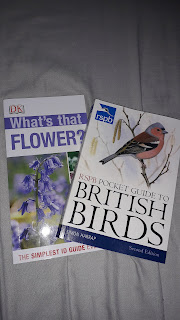
I expect that I shall still be shuffling along countryside paths well into my winter years. I can see it now, a pair of glasses up on my head as I squint at the pages of some pocket guide, dressed in some well worn duffle coat, guide books in one pocket and snacks of some sort stuffed into the other. Perhaps a sandwich wrapped untidily in cling film.

Maybe I will be able to afford a decent pair of binoculars by then!


The two books pictured above are the two guides I make use of most. They supplement my rambles, adding to the wonder I feel, in the presence of the birds and flowers, with the knowledge on every page.

Often, I don't know what I am seeing, hearing, or sometimes even smelling, as I tramp the footpaths. But, with guidebooks like these, I am able to identify what I have seen, which might satisfy my curiosity in itself. And, if it doesn't, it's a great starting point for gathering further information - after identification, I can put a name to what I am looking for!


When I am able to do so, I make a purchase or two from the RSPB Shop. I see it as a win-win situation; they have what I need or want, to bolster my experiences with nature, and in buying from them I am supporting a charity that does great work to conserve the natural world. 

I get great joy and peace out there, by water, amongst the trees, the flowers, the birds . . . and I support anyone that works for the protection of all that.


I am not affiliated with the RSPB in any way, I do not receive any remuneration or commissions for writing about them here. I just believe in the work they do.

You can check out the RSPB's online shop yourself, here, where you can find everything from bird food to books and stationery.

Happy trails!


Thank you for reading. Before you go, I would just like to ask that you consider supporting this blog with a coffee from ko-fi.com - the caffeine helps me focus on the words in my guidebooks!

I write here because of my love for nature and wildlife, and that is what I hope comes across to the reader. So, I have resisted allowing ad space here as much as possible.

On this blog, I may discuss products that I have purchased and make use of, like the guidebooks mentioned above, but these are not paid ads. I am not affiliated with the RSPB - I am not even sure whether or not they have an affiliate programme - and I receive no commission from any clicks or purchases made through the above link.

I just like the Royal Society for the Protection of Birds.

But, with the time and effort it takes to research, write, proofread, edit . . . every post here, I must ask that readers, if they can, consider supporting this blog. A coffee from ko-fi.com really helps. And, thank you, to every reader and supporter!

Friday, February 11, 2022

Coffee and bird feeders


Adult male Blackbird; scientific name, Turdus merula (Image from personal collection)


In the morning, a while after waking, I take myself to the kitchen with a desire for coffee and biscuits. And so, I take my small cafetière from the cupboards, along with my favourite mug, a plate for the biscuits, and the bag of coffee grounds. I plate up some biscuits first, then I move onto the coffee.

First of all, I make sure everything is clean, no old coffee grounds lurking in the press. Then I boil the kettle.

This process, teaches me patience. That good things can take time. And it gives me an opportunity to sit and watch the bird feeders in the garden. And that teaches me the value of just being, of watching quietly.


After the kettle boils, I pour the hot water over grounds in the press, and then I must wait for the coffee to brew. So, I take myself to the windows, and I watch.

Most of the time, it is House sparrows (Passer domesticus) that are out there, sometimes a whole quarrel of them. They have their little squabbles, figuring out between themselves which of them should get access to the suet balls, the coconut feeder, or the mixed seed. Some of their chirps and chattering reaches my ears through the glass. But they turn shy when they become aware of my presence, taking off into the ivy when they spot movement at the windows.

I try to tuck myself behind the curtain as much as I can but, because I love to watch, I can't stay completely hidden, and they are very good at recognising my presence. 

When they flit into the ivy, I sometimes see one or two perched amongst the foliage. They twitter and call. Lookouts, I think to myself.


The Dunnocks (Prunella modularis) feeding on the ground, picking up seeds and bits of suet that has fallen from the feeders, are a little braver, it seems. They often remain, three or four of them, shuffling around on the grass even after the Sparrows have flitted away. 

I can only imagine that they don't mind quite so much, my sitting there, on a chair in the window, watching them go about their business.


Now and then, a Robin (Erithacus rubecula) visits. A few Great tits (Parus major) or Blue tits (Cyanistes caeruleus) might fly in too. These birds tend to fly in, take what they came for, and flit away again; little flashes of colour amongst the earthy browns and greys of the other garden visitors. But, colourful or not, they all make me smile, and I am grateful for their visiting.


After a few minutes, the kitchen is a warm embrace of that rich and dark aroma, promising a little comfort to come. That, and the twittering of the birds, muted by the glass and walls that separate me from the outside, create one of the most perfect moments of my day. It has become a routine, a ritual, that lifts me up, and sets me where I need to be for the day ahead. It's almost meditative.

The day might dictate that I am unable to head out, rambling a footpath or heading to a nature reserve, with things more mundane in the diary. But, on most days, I have those few minutes, between the kettle boiling and pouring the coffee into my cup, to sit a while and watch the birds at the feeders.


SAVE this post for later, to remind you that you can find a moment in your everyday. To remind you that these moments with nature and wildlife can be found just outside your window, and that it is a gift. That we can share our spaces with these wonderful animals, whoever the visitors outside your windows might be, if we make space for them.


Thank you for reading. Before you go, I would just like to ask that you consider supporting this blog with a coffee from ko-fi.com - I need the caffeine everyday!

I write here because of my love and appreciation for nature and wildlife, and that is what I hope shines through to readers. So, I resist allowing ad space, because I want this space to be about the passion, and not about products. I would rather generate conversation than sales!

However, with the time it takes to research for, to write up, to proofread, to edit . . . for every post, support from readers can really help to keep the blog going. So, if you can, consider supporting me with a coffee - ko-fi.com.

I thank you, every reader and supporter! Thank you!


Monday, February 7, 2022

A Walk - Bedford to Stevington, Bedfordshire


The view, over a fence and across fields, under countryside sky, from a bench in Stevington, Bedfordshire. (Photo from personal collection)


Hey there, to any new readers! If you are new here, here's something you might not know about me - I love to go out walking, rambling, wandering countryside footpaths. If you aren't new here, then you're probably already well aware of this . . .

It is from public footpaths that I have spotted some of the most beautiful nature and wildlife. 


Last Wednesday, I took myself off walking, wanting to escape the grey and stained pavements of the town. So I headed towards the river, as I often do when I go out rambling. 

In spring and summer, grasses, trees, weeds, and wildflowers awake beside the river, and green leaves burst with life along the riverside path. But, still with weeks left in winter, when I went out walking, it was dormant, quieter.

There's orange plastic barrier fencing down there, placed where swans have nested in the past. Looking past it, I saw the cans and plastic in the grasses that are a heartbreakingly familiar sight. The problem with quiet green spaces is that those seem to be the places where the lazy, the drunk, the uncaring like to go, as well as the walkers and runners. As well as the lives that need those places to survive.


Plant life on the parapet. Bromham Bridge, Bedfordshire. (Image from personal collection)


A Cormorant (Phalacrocorax carbo), a bird that brings to mind things prehistoric, flew overhead. Well, not directly overhead, thankfully, since, as it flew over, it jettisoned a load of feaces, which landed with a series of little slaps on some bramble leaves. The moments we have with nature aren't always beautiful. Still, it made me stop and stare. And smile.

I walked on, Bedford behind me and, walking past Queen's Bridge, beyond Kempston, another town. I didn't have any interest in them, not that day.

A  Grey heron (Ardea cinerea) flew by, over the water, on my left, its broad wings out-stretched, and another followed it, the second apparently following the first. The second though was not silent like the first, instead making its harsh call. I shook my head at not being fast thinking enough to have tried for a picture. Not that it mattered - all I had was my phone, and I would have walked away only with a nice blur to show people.

Further on, nearer Great Denham, a village, I spotted some bubbles and ripples on the surface of the water. I stopped, thinking it might be a bird having gone down, expecting another Cormorant perhaps. But, instead, an Otter (Lutra lutra) broke the surface!

It surfaced near the bank, close to where I stood. I looked at it, and it looked back at me, its head above the surface but the rest of its slender body beneath the water. It's moments like this that make me hold my breath. I could see its eyes and the features of its face, the brown fur made darker by the water, its whiskers. I greeted it, breath returned, a quiet "Hello" coming from my lips - it made no sound in reply. But still it didn't dash away.

I'm all for more trees. Bedford. (Image from personal collection)

The Otter only left after the thought came into my head that I might try for a picture. As I made a quiet scramble for the phone in my pocket, the mustelid turned and swam quietly away, and all I got for the effort was a poor video. 

It swam towards the opposite bank, towards the mess of brown and dormant plant life there. And then, I realised that there were two! 

I saw the second Otter near the opposite bank only as it disappeared into the plants, the first, the one I had been face-to-face with, following after. They disappeared, with crow calls coming from the direction of their disappearance. And there I stood for a moment. A shopping trolley was in the water, near the bank, and close to that a brown glass bottle. A Heron flew by. And the moment was gone. They tend to not last long.

Minutes later, a man came along, dressed in a hoodie and winter hat, bearded and with a backpack, carrying a camera with a very long lens. I commented on his equipment and asked if he was looking for anything in particular.

"Just otters," he replied.

Well, I gushed forth about my experience only moments before, every detail about my moment with the mustelids came flying from me in a mad dash to escape my mouth. I am not usually quite so sociable, so I must have really wanted to share with somebody.

The man asked me to point out in which direction they had gone, and when exactly I had seen them. I don't know how helpful I was in my excitement, but I tried.

A view from the riverside. Bedford. (Image from personal collection)

From Great Denham, I walked on toward Bromham, and then on into Stevington, two lovely Bedfordshire villages. Stevington being particularly significant to me because it is there where I grew up.


I had visited Great Denham's parade of shops, and bought myself a meal deal from the local Sainsbury's. And, when I stopped later on to eat my sandwich, the cold February air that hadn't bothered me all that much as I walked, bit at my nose and forehead a little. I ate quickly.

As I walked the riverside, the fields, and the villages, I continued to spot some beautiful examples of our wildlife.

Near Bromham, I spotted a Wren (Troglodytes troglodytes) in dormant tangled plants beside the river. This is one of Britain's smallest birds and loves the sort of dense and scrubby vegetation in which I spotted this one. 

A Red kite (Milvus milvus) flew overhead when I walked through Bromham. For a moment, it circled above me, as though turning, swinging round on some great invisible wire in the sky. These birds of prey were once common, but persecution saw them come close to extinction. Through one-hundred years of careful conservation they are doing better. Not as common as they once were, and only found in spots throughout the country, we are very lucky to have these birds in our skies.


I stopped in Stevington, where I grew up, and where my parents still live, to visit.


Thank you for reading. Before you go, can I just ask that you consider supporting this blog with a coffee from ko-fi.com - the caffeine keeps my eyes open and my legs moving!

I create content for this blog because I am passionate about nature and wildlife, and I hope that that shines through, and I have resisted allowing ad space here. I want this to be about sharing that passion as much as possible, rather than trying to sell products.

Still, time and care is invested into this writing, and if you can make a donation, your support is much appreciated - ko-fi.com - and I thank you, every reader and supporter! Thank you!


Sunday, February 6, 2022

Five books on my reading list (and a giveaway!)

 Disclaimer: Monsta Wild is affiliated with bookshop.org, and if you should make a purchase through any of the links in this blog I may earn a small commission from them. However, this does not affect the cost to the consumer, and it does not influence the content of this blog.

Claire Scarr was the lucky winner of the giveaway! Congratulations, Claire!

In today's post, we are going to take a little look at five of the books on my reading list, those that appeal to my love of nature and wildlife. And make sure you read to the end because I am going to be giving one of the books on this list away to one lucky reader!


1. Hokkaido Highway Blues by Will Ferguson


In Japan, the arrival of spring each year is celebrated as the cherry blossoms bloom, sweeping from the south to the northern most tip of the country - Hokkaido.

In this excellent piece of travel writing, Will Ferguson follows the season of spring, and the blooming of the cherry blossom, across the country. Hitchhiking all the way, he relies on the kindness of strangers . . .

The main method by which I explore my love for nature and wildlife is taking to footpaths and rambling for hours, so books on rambling and wandering appeal to me. And a book in which the author follows one of the most wonderful displays of seasonal change in the world definitely caught my eye!

You can purchase Hokkaido Highway Blues by Will Ferguson here.


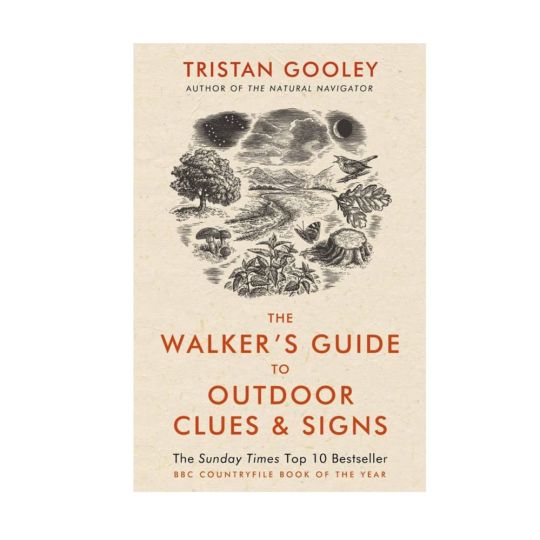
2. The Walker's Guide to Outdoor Clues and Signs by Tristan Gooley


A companion for any walker that loves to go rambling in nature, as I do!

This book is a guide to what the sun, moon, stars, trees, plants, animals, sky, and clouds can reveal to the walker who knows what to look for.

The author, Tristan Gooley, has spent decades in the outdoors. And, after years of instructing, researching and writing, he wrote this comprehensive guide that would be valuable to any lover of rambling!

You can purchase The Walker's Guide to Outdoor Clues and Signs by Tristan Gooley here.


3. Black Beauty by Anna Sewell


" . . . we call them dumb animals, and so they are, for they cannot tell us how they feel, but they do not suffer less because they have no words."

From the blurb: When his beloved owners are forced to sell him, Black Beauty leaves his life as a young, care-free colt behind him and embarks on a working life of misery.

Now regarded as something of a book for younger readers, this book inspired the better treatment of working horses when it was published, in 1887. Having suffered health problems for years, Anna Sewell died only months after this classic was published. But, her work inspired animal welfare advocates, and other writers who spoke for the animals that could not.

You can purchase Black Beauty by Anna Sewell here.


4. The Book of Trespass by Nick Hayes


This book is about those parts of the country that the vast majority of us are banned from setting foot upon; the law of trespass excluding us from 92 per cent of the land, and from 97 per cent of the waterways. This is a book that takes the reader behind the walls of the United Kingdom.

You can purchase The Book of Trespass by Nick Hayes here.


5. Three Men in a Boat by Jerome K. Jerome


We finish this little list on a light note with this classic book about three men, to say nothing of the dog!, who take themselves off on a boat along the Thames.

Though not exactly an example of nature or wildlife writing, this comic novel nevertheless, with its protagonists immersing themselves in the joys of roughing it along the river and baring themselves to the gloriousness of English weather, appeals to the free spirit in me that wanders the outdoors. 

This hilarious story is a classic of English literature, and it casts a lighthearted eye over those who look for joy and peace in the outdoors.

You can purchase Three Men in a Boat by Jerome K. Jerome here.


The Giveaway!

I have a copy of the classic, Black Beauty by Anna Sewell, to giveaway to one lucky reader!

When this book was published in 1877, it did much to open up discussions about the treatment of working animals in Great Britain. 

Black Beauty was Anna Sewell's only novel, and she died only months after its publication, but her work achieved what she wanted it to - it inspired action in bettering conditions for working horses, and it inspired others who were concerned for animal welfare.

To be in with a chance of taking this book off my hands, go follow me on Twitter, and then comment underneath my pinned tweet with the hashtag #MonstaWildGiveaway 

This giveaway runs until 9a.m. on Thursday, 10 February, 2022, UK time, and a winner will be selected and announced that day. The winner will then be contacted, through Twitter's direct messaging, to arrange posting of the prize. This giveaway is only open to UK residents.


With Valentine's Day on the way, I was wondering whether I could ask a favour from any admirers out there. You see, I really love writing about nature and wildlife, and I have loved watching my readership grow. And I was wondering whether you might consider supporting this blog with a coffee from ko-fi.com - the caffeine keeps me going.

Sometimes this blog links to an affiliate (bookshop.org), but has not allowed ad space. I would prefer that the writing is uninterrupted as much as possible and is driven by my passion for the subject, rather than an attempt to sell products. 

Though I am happy to provide this content for free, I would very much appreciate any support that you can offer. You'd be surprised how long it can take to research, write, proofread, edit, publish, and market these posts!

Check out my ko-fi page, and I will see you all again soon!

Friday, February 4, 2022

The Blue Planet; two decades on


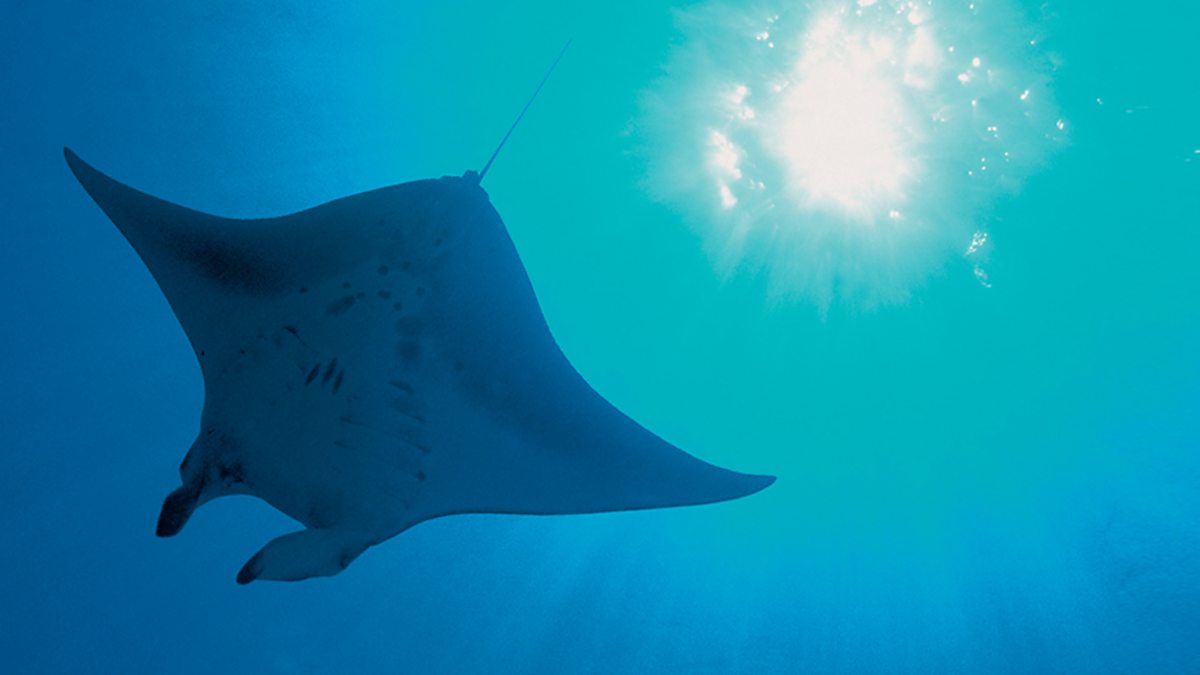
Image sourced from bbc.co.uk


It is just over twenty years since The Blue Planet, a comprehensive documentary series on the natural history of the world's oceans, aired on the BBC, back in September - October, 2001.

With narration provided by the broadcaster, natural historian, and author, Sir David Attenborough, we were introduced to the private lives of some of the seas' most fascinating creatures; from the small copepods, to the large blue whales. The series was a real gift for natural history enthusiasts, with some of the animals gracing our screens being little known, even to experts and marine biologists.

From the deepest parts of the sea floor, to the shores where water laps the land, this was a groundbreaking series that took viewers below the surface of our world's waters, and introduced us to animal and plant life there.


Sixteen years later, Blue Planet II, aired, and was credited with raising awareness of plastic pollution. After the first episode aired in the UK, there was increase in internet searches about conservation, and a number of conservation charities reported an increase in traffic to their sites.

Over the years, as detrimental impacts upon the environment caused by human activity have become more and more apparent, Sir Attenborough, and the projects with which he is attached, have become more overtly supportive of conservation efforts. As a broadcaster who has spent his life working in the natural world, in a career that spans across eight decades, driven by personal interest and passion, he is near uniquely placed as a witness to the changes that have occurred across the face of our planet.


Looking back at the original series, just over twenty years since it first aired, one wonders whether this will become a document of a world lost. With daunting predictions about the ratio of fish to plastic being equal by 2050 (www.bbc.co.uk/news), and reports of just how much coral has been lost (www.theguardian.com/environment), it's difficult not to have these fears about the health of the waters. And, ultimately, the state of our planet.

One hopes, that these documentaries will not become so irrelevant in the years to come. And it might just be worth going back to watch these wonderful, award-winning, documentaries, and to be inspired all over again. Inspired to do whatever we can - whether that's with donations of time, effort, or money - because this is a beautiful blue planet worth protecting.


You can watch The Blue Planet on  BBC iPlayer


Thank you for reading. This blog is written with a love for nature and wildlife at its heart. I ask that you please consider supporting this blog with a coffee from ko-fi.com - the caffeine keeps me writing! Thank you to all readers and supporters; I really do appreciate you!


Tuesday, February 1, 2022

Want an inexpensive birdbath in your garden? Here's how . . .


My rudimentary birdbath (Image from personal collection)


Last Wednesday, with the day free to me and nothing to do, I decided that I would do something for the garden birds. Because, after all, they have brought me so much joy!


My interest in gardening really is driven by passion for nature and wildlife, and I'm afraid that I'm not too bothered if the results aren't aesthetically pleasing. That comes second to whether or not my efforts benefit the wildlife out there. In my book, anyway.

And, I don't think anyone can claim my birdbath is prettier than some of the ornamental ones available in the shops. But I suspect the birds don't mind.


Putting my birdbath together

All I needed to buy was a round plant pot tray. So, I took myself off to a local odds and ends shop - the sort of place that seems to sell a little bit of whatever - and I bought my plant pot plate. It cost me all of a few quid - I can't remember the exact price, but it was less than £3, but more than £2.

At home, I took the plant pot plate into the garden. Before filling it with water, I took myself down to the shed, where I knew I would find some loose bricks - leftover from when work had had to be done on the flat some months back. I took three bricks, and put them beside each other, on their sides, forming a base onto which I could put my bath.

Into the bottom of the tray I put some small stones, that I collected from around the garden, and a piece of broken paving slab. This gives the tray a bit more weight, which means it's less likely to blow across the garden when it's stormy, and it also means that the birds will have better footing. The broken piece of slab also provides a slightly more elevated surface, for those nervous birds that want to check their surroundings.

At this point, after making sure that the tray was stable, I filled the bath from a watering can.


Since putting the birdbath together last week, I have washed it out a couple of times. I squirt some washing up liquid into the water and then use my hands to rub around the tray. After that, I rinse using the watering can, empty the tray, and rinse again. I keep rinsing until the water is no longer soapy.

When the bath has been out for a little longer, I will have to get myself a brush and give it a more thorough scrubbing, I should imagine. Especially in summer, if any algae appears.


Since putting my bath together, I have to admit that I haven't seen it being used yet. But, I am not discouraged. Often with these sorts of things it can be as simple as moving the bath to another spot in the garden. At the moment, it is in a rather open spot, and it could be the birds are hesitant to use the bath when cover is too far away to flit into, should they feel the need.

This bath is easy to move though, the heaviest part of the thing being the bricks.

If you do want to make it look a little prettier, placing some potted wildflowers around it ought to do the trick, which will also attract pollinators as well as birds.


I was inspired to build the birdbath by this page on the RSPB website. I am not affiliated with the RSPB in any official or professional capacity but, of all the conservation charities, the Royal Society for the Protection of Birds is the one to which I refer most often when I am looking for ideas on how I can do a little bit more for nature. I urge you to take a little look at their website and help in any way you can.


I hope you enjoyed the read, and if you are going to make your own birdbath, let me know in the comments! I ask that you please consider supporting this blog with a coffee from ko-fi.com - the caffeine keeps me pottering around in the garden! Thank you to all readers and supporters - you keep me going!

Citizen science -- for the good of nature

  Holly blue (Celastrina argiolus) -- Butterfly Conservation undertake the Big Butterfly Count every summer, between July and August. (Photo...